Mindful Rage
Our Youth Designed Alternative to Anger Management
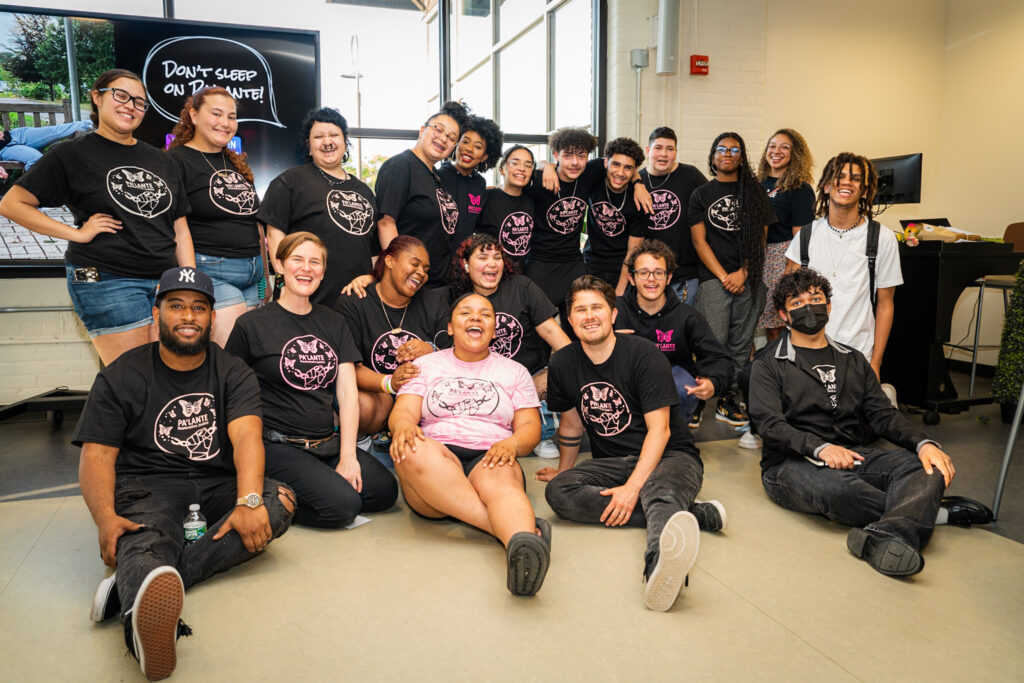
Co-facilitated by Pa’lante Peer Leaders and adult staff, our 7 session series is a dynamic, joyful, youth-led alternative to a standard anger management course.
We acknowledge the legitimate and systemic reasons youth get mad. Part political education and part skill building, Mindful Rage teaches concrete de-escalation strategies, exposes the roots of injustice, and creates a sense of community and kinship among youth. Participants also have the opportunity to learn from the work of artists and activists who have used their anger to create beauty and systemic change.
Mindful Rage is open to youth ages 13 – 25. Transportation is often available within Holyoke.
Want to join us for Mindful Rage? Our next session starts in June! You can register here.
If you would like to offer Mindful Rage at your school or organization, please contact our Training Manager Katelynn Cruz Katelynn@PalanteHolyoke.org
Why Mindful Rage?
In 2022-2023, our first year outside of Holyoke Public Schools, Pa’lante Peer Leaders we asked ourselves:
Where and how can we continue our work to dismantle the school-to-prison pipeline?
We shared our own experiences and observations, and we looked at the data.
We found that in the state of Massachusetts, 84% of the youth detained by police were youth of color, even though youth of color were only 34% of the youth population in the state of Massachusetts.
DYS Detention Admissions FY2022 by Race/Ethnicity
Even more alarmingly, almost 90% of youth who were first committed to DYS last year are youth of color. We know that these racial and ethnic disparities are only part of the story, and we needed to dig deeper to see how and why so many young people were getting caught up in the system.
Youthful Offenders at First Commitment to DYS FY2022 by Race/Ethnicity
As a part of our lit review, we watched the film Push Out, based on research by Dr. Monique Morris, which shines a light on the criminalization and “push out” of Black girls in the United States. This resonated with our own experiences as young people in Holyoke. Here you can see some examples of push out we experienced firsthand:
Push Out Practices in our own lives:
- Being searched at school
- Hallway Sweeps -> BST -> Suspensions
- Suspended or punished before getting to tell my side of the story
- Too few teachers, counselors, and admin that really understand our lives and culture
- Not getting the educational supports we need -> fall behind in class -> want to give up
- Seen as “threatening,” “aggressive,” “too loud,” “angry,” “troublemaker,” rather than intelligent, curious, and critical or as a young person who is struggling.
As one Peer Leader reported: “The court ordered me to take anger management. But anger management just made me madder – I had to pay for it, and it was just some slides to click through online. I didn’t learn anything.”
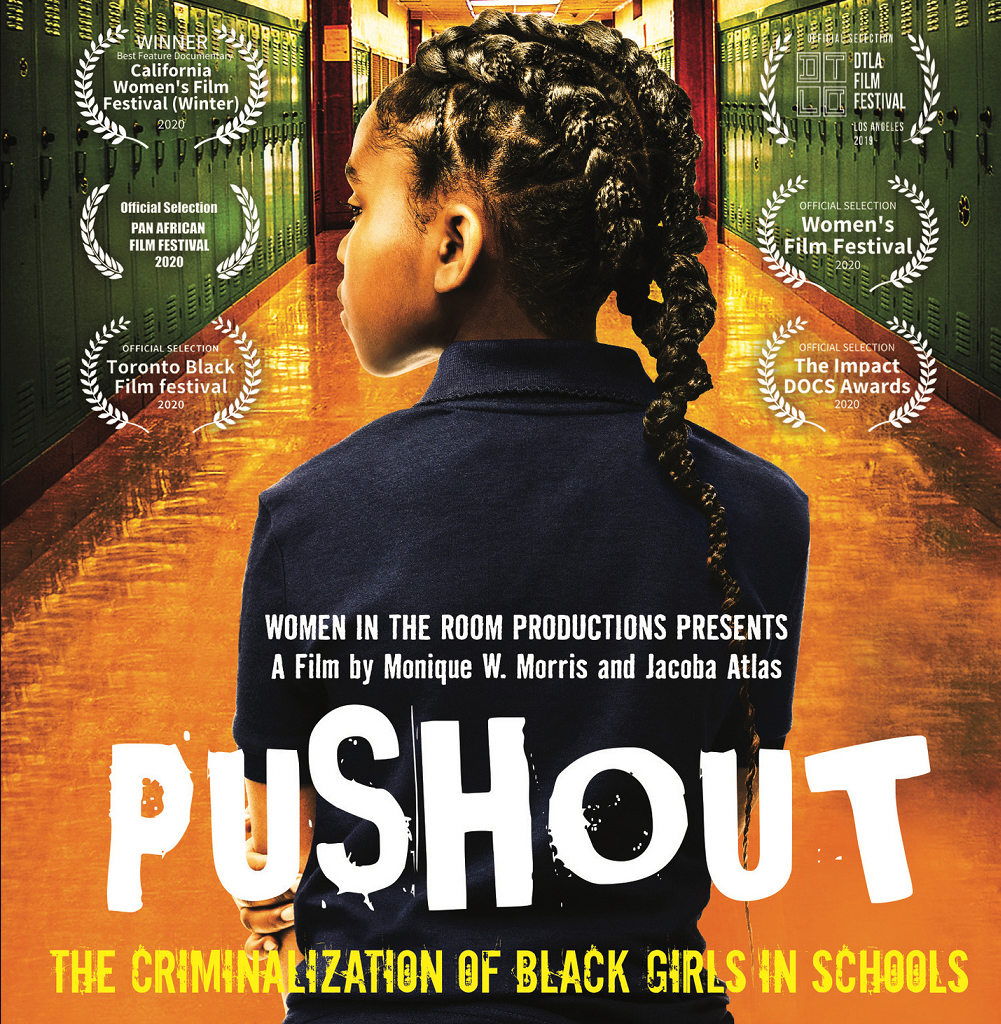
Monique Morris’ work helped us shine a light on how often our anger is seen as the problem – or WE are seen as the problem – instead of examining the root causes for why we are angry. One of our primary research questions became:
What does it look like to take our anger seriously?
We were inspired by the work of poet and feminist Audre Lorde, who said, “Anger is an appropriate reaction to racist attitudes, as is fury when the actions arising from those attitudes do not change.”
We are not just angry, but when we are angry, we often have good reason to be.
Types of Anger
Narcissistic Rage “…where you’re only angry that YOU were the victim of injustice, not that anybody else is.”
Rogue Rage Concerned with revenge, not transformation
Lordean Rage
- Seek the root of the injustice and transformation
- Not about humiliation or revenge
- Motivates us to take action
- “The kind of anger I see as necessary to really bring about a better world.”
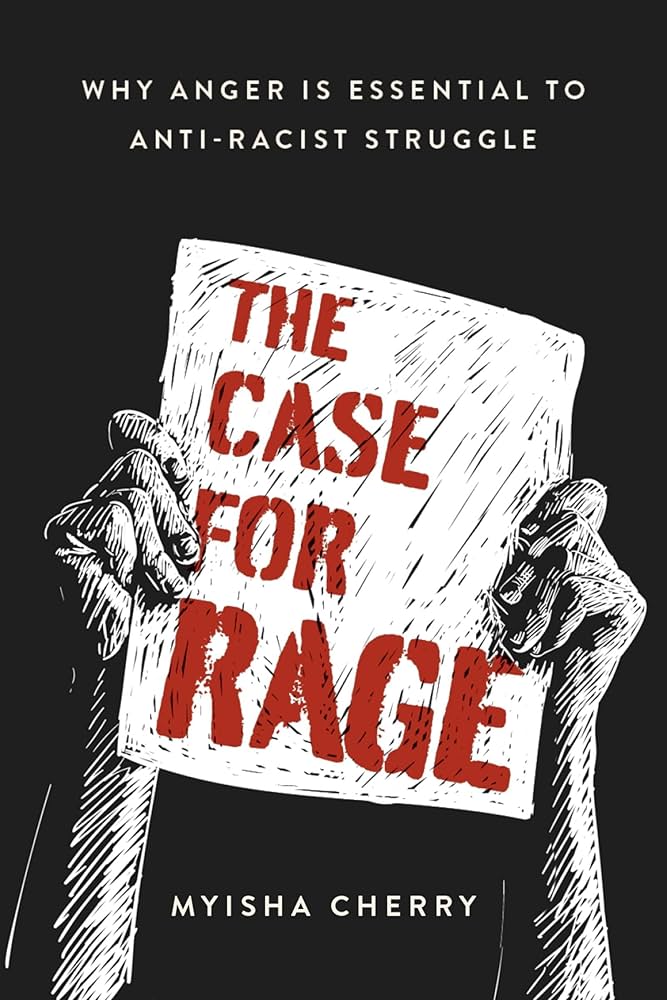
The scholar Myisha Cherry created a term called “Lordean Rage,” which she defines as an anger that motivates us to take action and to address the root causes of injustices.
This is the kind of anger we wanted to tap into when we reimagined “Anger Management” classes.
After meeting with the Hampden County Public Defenders, we learned that youth are often in a pre-trial period for about one year, but courts can also offer diversion program as an alternative to incarceration. According to the the Juvenile Justice Policy and Data Board’s 2019 report though:
“At every decision point for which we have data, Black and Hispanic youth are more likely to be advanced through the justice system – rather than being diverted – than white youth. These disparities are particularly high at early decision points – including the decision to take a youth into custody rather than issuing a summons, to issue a delinquency complaint, or to arraign a youth.”
After our secondary research, we did a series of circles within our Peer Leader program about anger — how we had each learned to hold anger, how it had burned us sometimes, how it had also fueled us to create change. We asked hard questions and went deep about how we wanted to move differently when it came to anger.
In response to our findings, we designed and piloted a series called Mindful Rage. Co-facilitated by Pa’lante Peer Leaders and adult staff, our 7 session (10.5 hrs) alternative to court-assigned anger management acknowledges the legitimate and systemic reasons youth get mad. Part political education and part skill building, Mindful Rage teaches concrete de-escalation strategies, exposes roots of injustice, and offers opportunities to create systemic change. In the process, young people reconnect with their inherent power and develop leadership skills.
As one youth explained:
“Pa’lante is one of the first places that didn’t tell me to lower my voice, but to speak up.”
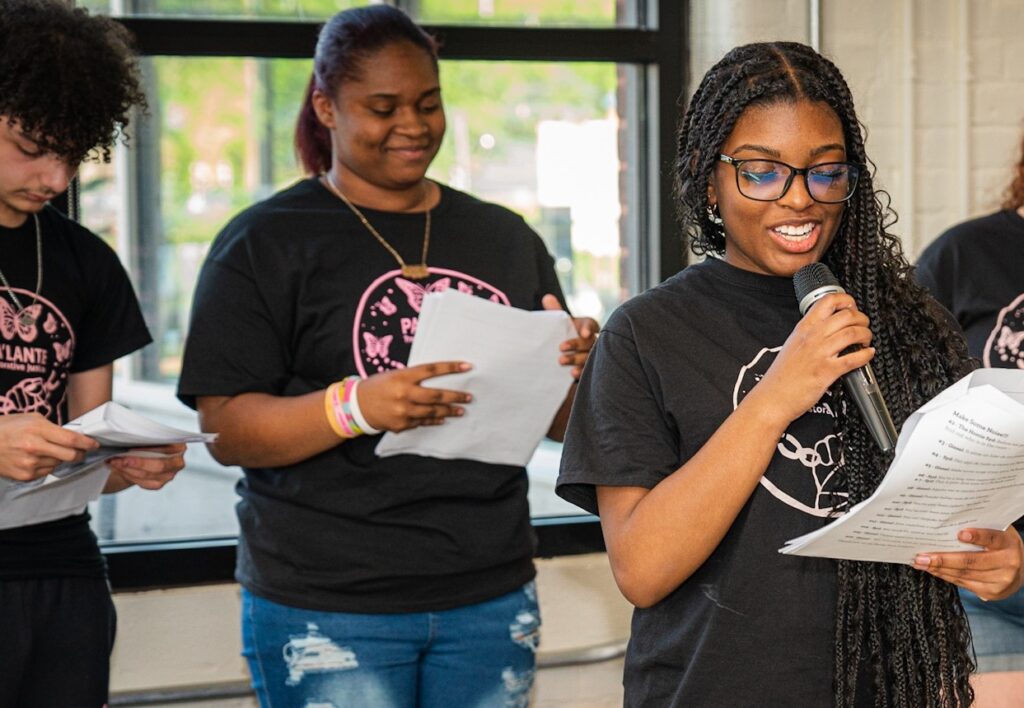
Since originally piloting our series in the spring of 2022, we have refined the curriculum and now regularly offer Mindful Rage here at Pa’lante and in community settings.
Please reach out to our Training Manager, Katelynn Cruz, (Katelynn@PalanteHolyoke.org) if you would like to bring Mindful Rage to your school or organization. You can also sign up or refer a youth with the link below.